

One of life’s most thrilling experiences is becoming pregnant, and taking care of your unborn child becomes your first responsibility. Thanks to advances in modern medicine, Non-Invasive Prenatal Testing (NIPT) can provide important information about the health of your unborn child at an early stage of pregnancy. The NIPT test in Chandigarh expects parents with a safe, dependable, and sophisticated screening alternative to determine the risk of specific genetic diseases without endangering the woman or unborn child.
Expectant parents can get cutting-edge prenatal screening options and top-notch diagnostic services at JiyoLabs, which help them make educated decisions throughout their pregnancy.
NIPT Test: What Is It?
During pregnancy, a blood-based screening test called Non-Invasive Prenatal Testing (NIPT) is used to examine tiny pieces of foetal DNA that are present in the mother’s blood. The test aids in estimating the baby’s risk of developing specific chromosomal abnormalities.
Typically, NIPT checks for:
Trisomy 21 (Down syndrome)
Trisomy 18 Edwards Syndrome
Trisomy 13 (Patau Syndrome)
Some anomalies in sex chromosomes
Why Is NIPT Important?
Unlike invasive procedures, NIPT doesn’t endanger the pregnancy and simply requires a basic blood sample from the mother.
Parents and medical professionals can better understand the baby’s growth and, if necessary, plan appropriate care thanks to prenatal screening. NIPT’s high accuracy and non-invasive characteristics have made it a popular option.
Advantages include:
Chromosome abnormalities should be evaluated early.
The foetus is not at risk
High rates of identification for prevalent genetic disorders
Pregnancy-related anxiety reduction
Improved readiness for specialised medical care if necessary
Who Should Think About Getting an NIPT Test?
While most pregnant women can get NIPT, it is especially advised for:
Women over the age of 35Pregnancies at high risk
Families with a hereditary disease history
Pregnancies with unusual ultrasonography results
Women who have had genetic abnormalities during prior pregnancies
Couples looking for more certainty regarding the health of their infant
Depending on the specifics of each case, healthcare professionals may suggest NIPT as part of normal prenatal screening.
When Does the NIPT Test Take Place?
The tenth week of pregnancy is often when NIPT can be carried out. The test can yield accurate screening findings early in pregnancy since foetal DNA is present in the mother’s bloodstream during this time.
Early testing allows parents more time to plan for future prenatal care and explore their alternatives.
How Is the NIPT Process Operational?
1. Discussion
Your doctor decides whether NIPT is appropriate for you after reviewing your medical history and pregnancy facts.
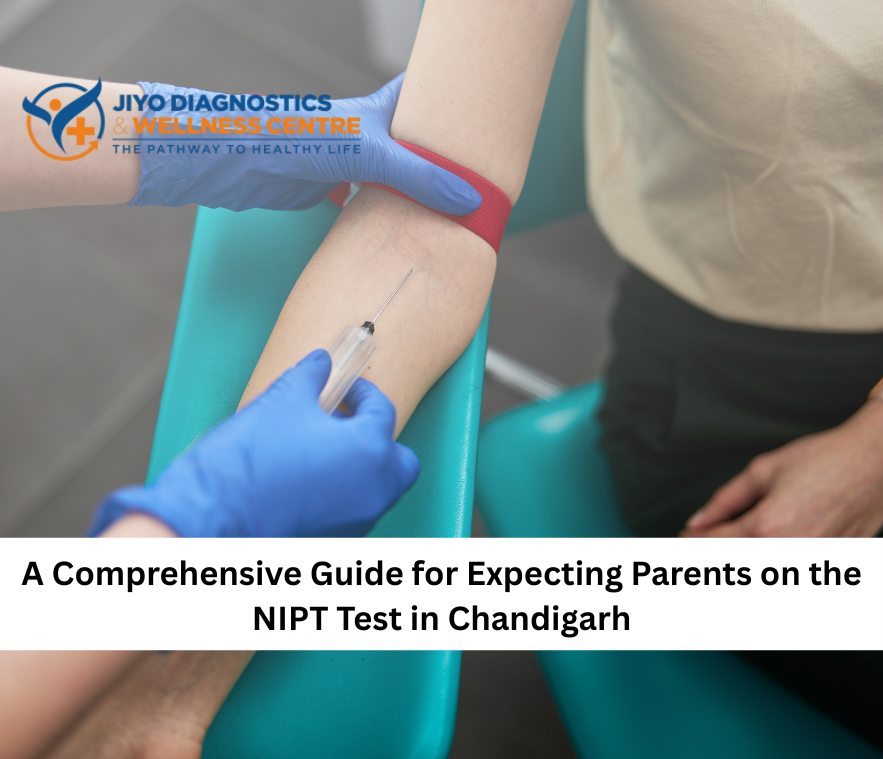
2. Blood Sample Collection The mother’s arm is used to draw a tiny sample of blood.
3. Analysis in a Lab
The sample’s foetal DNA is examined using cutting-edge genetic testing technologies.
4. Result Generation The laboratory assesses the likelihood of particular chromosomal disorders and generates a comprehensive report. 5. Doctor Review Your healthcare professional discusses the results to ascertain whether additional testing is required.
Interpreting NIPT Outcomes
Low-Risk Outcome
A low-risk result means that the infant is less likely to have the chromosomal disorders that were checked for.
High-Risk Result A higher chance of a chromosomal abnormality is indicated by a high-risk result. In certain situations, physicians might advise further diagnostic procedures for verification.
It is crucial to keep in mind that NIPT is a screening test rather than a diagnostic one.
Benefits of NIPT Selection
Non-Invasive and Safe
The test eliminates the hazards associated with invasive treatments by requiring only a blood sample.
Highly Accurate For common chromosomal abnormalities, NIPT offers outstanding screening accuracy.
Early Detection Testing can be done early in pregnancy to provide prompt medical advice.
Peace of Mind Expectant parents learn important details about the growth and health of their unborn child.
Why Select JiyoLabs for Chandigarh NIPT Testing?
JiyoLabs is committed to offering reliable and accurate diagnostic services with a focus on the needs of the patient.
Important factors in selecting JiyoLabs are:
Cutting-edge genetic testing methods* Skilled laboratory specialists
Strict requirements for precision and quality
Reporting on time* Expert assistance during the entire testing procedure
Dependable methods for prenatal screening
JiyoLabs assists expectant parents in navigating pregnancy with confidence by fusing personalised care with cutting-edge diagnostics.
Advice Before Taking the NIPT Exam
To guarantee a seamless testing process:
Before setting up the test, speak with your gynaecologist.
Verify your pregnancy’s gestational age.
Describe any pertinent family or medical history.
Recognise the test’s advantages and restrictions
Talk to your healthcare physician about potential results.
Parents can make confident decisions about prenatal care if they are well-informed.
Summarising
By offering a safe, precise, and non-invasive method of determining the risk of genetic disorders during pregnancy, the NIPT test near me has completely transformed prenatal screening. It provides Chandigarh expectant parents with critical information and comfort at a crucial time in their lives. JiyoLabs is a reliable partner in promoting safe pregnancies and informed parenthood thanks to its cutting-edge technology, skilled diagnoses, and dedication to high-quality healthcare.
Frequently Asked Questions (FAQs)
1. What is screened for on the NIPT test?
NIPT checks for certain chromosomal abnormalities, such as Down syndrome, Edwards syndrome, and Patau syndrome.
2. Is NIPT safe during pregnancy?
NIPT checks for certain chromosomal abnormalities, such as Down syndrome, Edwards syndrome, and Patau syndrome.
Indeed, NIPT simply needs a mother’s blood sample and is totally non-invasive.
3. When is the NIPT test available?
The test is usually accessible starting in the tenth week of pregnancy.
4. What is the NIPT test’s accuracy?
One of the most reliable prenatal screening methods for common chromosomal abnormalities is NIPT.
5. Does my child’s high-risk NIPT result indicate that they have a genetic disorder?
No, NIPT is a test for screening. Further diagnostic testing may be necessary if the outcome is high-risk.
6. What’s the turnaround time for NIPT results?
Depending on how long the lab takes to process the results, they are usually ready in a few days to two weeks.
Details of NAP
Jiyo Labs
SCO 57–59, Sector 17-C, Chandigarh
+91 70870 15736
Social Media Links
https://facebook.com/jiyolabs F
https://instagram.com/jiyolabs
Related health articles

Reviewed & published by
team3Our editorial team works with qualified pathologists to ensure accurate health information for patients in Chandigarh.